How to start dancing as an adult
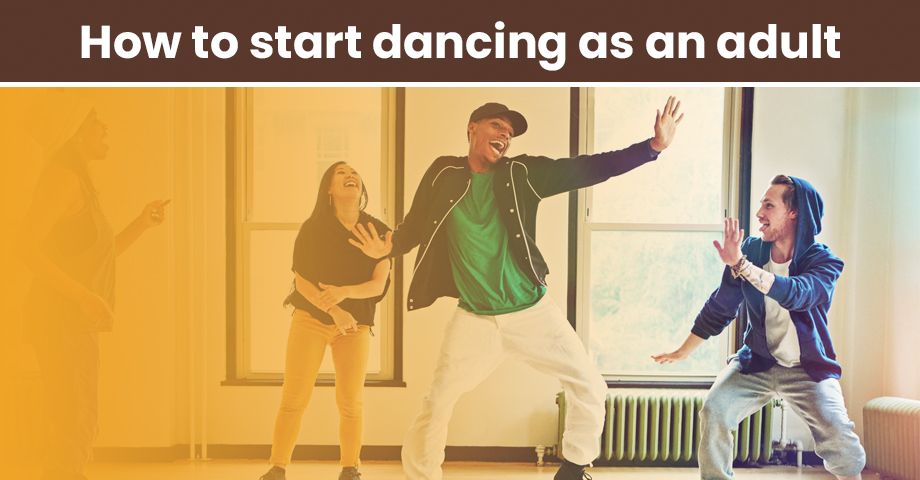
You hear it all the time. People say they’re too old to start dancing. They worry their body cannot keep up, or they’ll get injured, so they never begin. But dance is not reserved for one age or one “type” of body. It adapts to you, and it can build strength, coordination, and confidence over time. You can start small and still make real progress, whether you’re training full out or dancing from a chair with grooves, hits, and bounces in your upper body. The key is patience, consistency, and a supportive environment. In this article, you’ll learn exactly how to start dancing as an adult, step by step.
The benefits of dancing as an adult

The journey as a dancer is full of valuable experiences. Dancing builds strength, mobility, and body control. Learning choreography, practicing new moves, and freestyling also challenges your brain and keeps you sharp. It’s social too: you meet people, find community, and share an uplifting environment. On top of that, dance can lower stress, boost creativity, and grow your self-confidence. All together, it makes dance a powerful and enjoyable journey. Want to go deeper? Read more about the health benefits of dancing.

Choosing a dance style that fits you
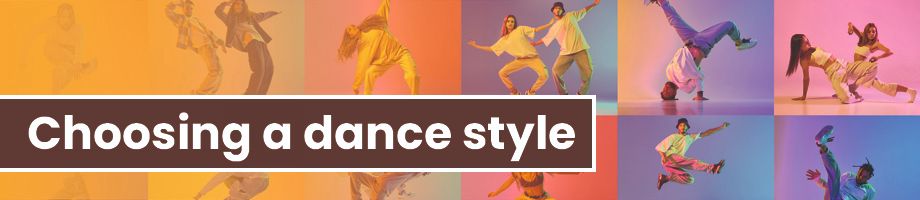
Start by exploring a few different dance styles. Hip hop and house dance are social styles that focus on groove, feeling, and expression. Popping and breaking are often more technical, and they offer a different kind of creative freedom through precision and control. Try a few beginner classes in each style, moving in the room will quickly show you what fits your body and personality.
When you start learning, your brain and body need time to absorb a lot of new information. That is why it helps to begin with no more than two styles. In the first weeks, notice what you enjoy, and what comes naturally versus what challenges you. That clarity makes it easier to set goals and progress faster, whether you want better rhythm, more creativity, stronger freestyle skills, improved fitness, or a deeper understanding of the culture. Most importantly, keep choosing what feels right. If a teacher, style, goal, or environment no longer supports you, switch it up. Dance should stay something that gives you energy.
What to expect in beginner dance classes

Don’t worry, beginner dance classes are usually friendly, relaxed, and supportive. The pace is slower and teachers explain things clearly, step by step. Everyone makes mistakes, and that’s part of the process. It’s called training for a reason. You’re there to learn, not to be perfect.
Most classes start with a warm-up to prepare your body and reduce the chance of injury. Then you’ll do basic technique drills, followed by a short combination or choreography to practice what you just learned. With repetition and patience, your confidence grows. Over time the movements start to connect, and dancing begins to feel natural.
Overcoming common fears and mental blocks

Doubting yourself is completely normal, especially at the start. It’s easy to compare yourself to others and feel like you’re behind. You might question your rhythm, coordination, or how quickly you pick things up. But everyone starts somewhere, and most people in class are focused on their own steps, not judging yours. Your best move is to focus on following along and improving one small detail at a time.
If you keep showing up, it will get easier. Skills build through repetition, and confidence follows practice. Every strong dancer you admire has put in hours of patient work. You can do the same.
Practicing outside the dance studio
Taking dance classes is a great start. But if you want to progress faster and actually remember what you learned, practice outside of class too, ideally a little bit every day. It does not have to take long. Ten to twenty minutes is enough to review the steps, repeat drills, and clean up technique.
Solo practice can feel easier because you choose your own music and there’s no pressure from other eyes. A mirror helps, but it’s optional. You can also meet up with classmates to practice together, trade feedback, and learn from each other. Even on days you cannot dance, you can still improve by visualizing the moves and listening to the music, both strengthen rhythm and timing. If you want extra structure and support, online platforms like MyGrooveGuide can help you practice consistently between classes.
Avoiding common beginner mistakes

As a beginner, optimism helps, as long as your expectations stay realistic. Getting good at dance takes time, practice, and patience. You won’t look like a professional in a few weeks, and building real mastery can take years. The good news is that beginners often improve quickly at first, and those early wins feel amazing.
To keep that momentum, focus on your own progress and goals instead of comparing yourself to others. Stay consistent, and keep things simple: show up, repeat the basics, and let your confidence grow over time. It also helps to avoid the traps that slow most people down, like rushing steps, tensing up, or overthinking. For a full breakdown, check out the top 10 beginner mistakes in dancing.
Finding a dance community

Dancing is built on connection and community. Practicing alone can be useful, but over time it often gets repetitive and less inspiring. To stay motivated, plug into your local scene. Connect with people from your beginner classes and plan a practice session or a night out together. Many cities also have open trainings, jams, or socials where everyone is welcome, and they’re a great way to learn, watch, and feel the vibe.
Celebrate the small wins too. Landing a new move, feeling more confident in a combo, or simply showing up consistently all count, and sharing that with dance friends makes it even better. Alongside community, track your progress. Set a few realistic goals, write down the steps to reach them, and note what improved after each session. Seeing your growth on paper keeps your motivation steady.
Conclusion

Dancing can genuinely change your life. It’s easy to come up with reasons not to start as you get older, but the first step is often smaller than it feels. You already dance at parties, and maybe even at home when a good song comes on. A class is simply that feeling, with guidance and a supportive room around you.
Take that first class and let it be messy. You’ll likely leave with more energy than you arrived with. Remember, it’s not a race, it’s a journey. Small steps, repeated often, add up to big change. And in the end, it’s usually better to try and learn than to wonder what you missed. To get started, check out the dance classes on MyGrooveGuide.
Structured Hip Hop Classes That Build Confidence.
Boost your rhythm and technique with step-by-step classes from world-class hip hop instructors.
Get started