What is hip hop dance?
Hip hop dance is one of the most popular and influential dance styles in the world. It developed alongside hip hop culture in New York during the 1970s, growing out of parties, clubs and street jams before spreading to dance studios, battles and performances around the world.
The foundations of hip hop dance lie in groove, rhythm, freestyle and musicality. Dancers learn fundamentals such as bounce and rock, but are encouraged to develop their own way of moving and interpreting the music. This combination of strong foundations and creative freedom makes hip hop dance an accessible and constantly evolving dance form enjoyed by people of all ages and backgrounds.
In this article, we’ll explain what hip hop dance is, explore its foundations, movements and culture, and share practical tips for beginners who want to start dancing.
What is hip hop dance?
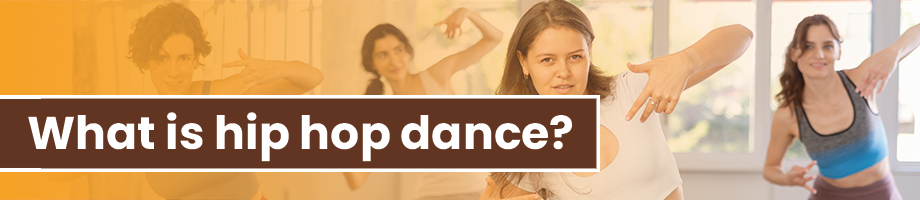
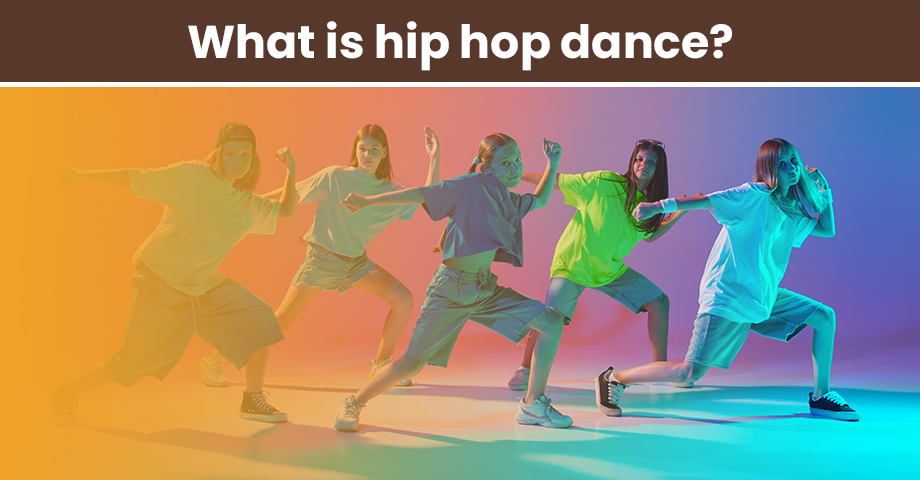
Hip hop dance is a dance style that developed alongside the rise of hip hop music and culture. While it has important foundations and techniques, creativity and individuality are highly valued. Hip hop dance has strong freestyle roots, meaning dancers often improvise in the moment and respond directly to the music.
Hip hop dance is built around bounce, rock, groove, rhythm and musicality. Every dancer can interpret the music differently and bring their own personality to their movement. Over time, this allows dancers to develop their own movement vocabulary and personal style. Choreography has also become a major part of hip hop dance today, but freestyle remains at the heart of the dance form.
Hip hop dance continues to evolve alongside new music, movements and influences. Its foundations provide dancers with a strong base, while still leaving plenty of freedom to experiment, be creative and develop their own identity.

What makes hip hop dance unique?
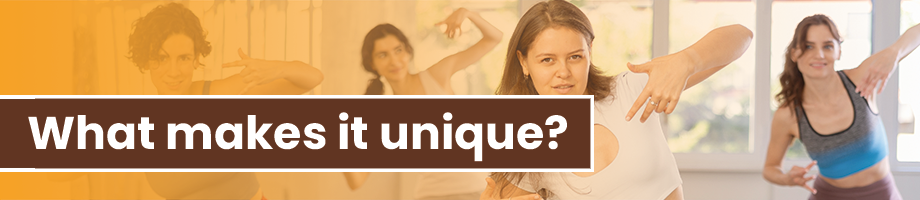
Music plays a central role in hip hop dance. Dancers listen closely to different rhythms, textures and accents, then translate what they hear into movement. Party dances and foundational techniques such as bounce are an important part of the style, but dancers are encouraged to adapt them rather than simply repeat movements in exactly the same way.
Groove is a major part of what makes hip hop dance unique. Dancers stay relaxed and connected to the music, allowing the rhythm and feeling of the track to influence how they move. This means that even the same step can look completely different when performed by different dancers.
Personal expression, creativity and authenticity are strongly encouraged. Developing your own style is an important part of becoming a hip hop dancer. Simply copying another dancer’s moves or style without bringing your own ideas into them is known as “biting” and is often discouraged within the culture.
Both freestyle and choreography can also play an important role in developing as a dancer. Freestyle strengthens your groove, adaptability, musicality and creativity, while choreography can improve your timing, technique, structure and performance skills.
This combination of strong foundations, musicality and creative freedom is what makes hip hop dance so versatile and appealing to dancers around the world.
The foundations of hip hop dance
Hip hop dance is built around several important foundations. Developing these fundamentals gives you the control, rhythm and musical understanding needed to progress into more complex movements, choreography and freestyle.
Bounce
Bounce is one of the most important foundations of hip hop dance. It involves bending and straightening your knees in rhythm with the music, creating an up-and-down motion through the body. A good bounce helps you feel grounded, adds weight to your movement and connects your body to the beat.
Rock
Rock involves shifting your body forwards and backwards or from side to side in time with the music. It helps dancers stay relaxed and grounded while adding direction and feeling to their movement.
Groove
Groove goes beyond simply bouncing or rocking to the beat. It is the way you embody the overall feeling and rhythm of the music through your movement. A dancer with a strong groove responds naturally to changes in the music, giving their movement flow, personality and authenticity.
Rhythm
Rhythm is about understanding and responding to patterns within the music. A dancer with a good sense of rhythm can recognise beats, counts, accents and syncopation, then use them to vary the timing and structure of their movements.
Musicality
Musicality is the ability to interpret different sounds and layers within the music through movement. A dancer might respond to the drums, bassline, melody, vocals or smaller sound effects. Strong musicality allows dancers to make creative choices and express what they hear in their own way.
Mastering these foundations is more important than learning as many individual moves as possible. They give your dancing its timing, control and feeling, and provide the base for everything you learn later.
Hip Hop dance movements and styles

Hip hop dance includes a wide variety of movements and concepts that have continued to evolve over time. The style is not limited to a fixed set of steps. New social dances, grooves and creative ideas continue to influence how hip hop dancers move and express themselves.
Grooves
Grooves are different ways of moving with the rhythm and feeling of the music. They build on foundations such as bounce and rock and help give your dancing its flow, character and personal style.
Footwork
Footwork combines different steps, patterns, directions and weight shifts. It allows dancers to play with rhythm and timing while developing coordination and control.
Isolations
Isolations involve moving one part of the body independently from the rest. For example, you might move your chest while keeping your head and lower body still. Isolations give dancers greater body control and can create interesting visual effects.
Party dances
Social and party dances have played an important role in the development of hip hop dance. Steps such as the Running Man, Roger Rabbit and Bart Simpson became popular through social dance and are still commonly taught and used by hip hop dancers today.
Freestyle concepts
Freestyle is at the heart of hip hop dance, but that does not mean dancers simply move randomly. Dancers can use different concepts to inspire their movement and explore new possibilities. For example, you might imagine holding a stick and experiment with how its shape, weight and direction could influence the way you move.
Hip hop dance continues to evolve alongside new music, social dances and creative influences. Dancers may also draw inspiration from styles such as house dance, popping, locking, krump and contemporary dance. These remain distinct dance styles with their own foundations and cultures, but their movements and concepts can influence how individual hip hop dancers develop their own style.
Hip hop dance vs other dance styles
Hip hop dance is often grouped together with styles such as breaking, popping and locking under the broader label of street or urban dance. However, these are distinct dance styles with their own techniques, foundations and cultural backgrounds. Understanding these differences can help you better understand what makes hip hop dance unique.
Hip hop dance vs breaking
Breaking developed as part of hip hop culture in New York during the 1970s. It is a dynamic dance style that includes both standing and floor-based movements. Its main elements include toprock, go-downs, footwork, freezes and power moves.
Hip hop dance and breaking share a connection to hip hop culture, but they are different dance forms. Breaking places much more emphasis on floorwork, freezes and athletic movements, while hip hop dance focuses more heavily on groove, bounce, social dance and freestyle movement.
Hip hop dance vs popping
Popping developed in California during the 1970s and is closely connected to funk music and culture. Its foundations include quickly tensing and relaxing the muscles to create ‘hits’ or ‘pops’, alongside techniques such as waving, gliding, animation and robot movements.
Popping and hip hop dance are distinct styles, although dancers often take inspiration from both. Hip hop dance is generally more centred around bounce, groove and social dance, while popping places greater emphasis on hits, isolations, illusions and precise body control.
Hip hop freestyle vs choreography
Hip hop dance has strong freestyle roots, meaning dancers improvise and respond to the music in the moment. Freestyle places a strong emphasis on musicality, creativity, adaptability and personal expression.
In choreography, movements and combinations are created in advance and then learned and performed in a set order. Choreography can develop your timing, technique, coordination and performance skills, while freestyle helps strengthen your individuality, creativity and ability to respond to music spontaneously.
Both are valuable ways to train, and developing skills in both can make you a more versatile hip hop dancer.
Musicality in hip hop dance

Musicality is one of the most important elements of hip hop dance. Dancers do not simply move to the beat. They listen to different layers of the music and consciously choose which sounds to respond to. This could be the drums, bassline, melody, vocals or even small sound effects. This connection between music and movement is a major part of what makes hip hop freestyle so interesting to watch.
Timing and groove are essential parts of musicality. Timing is about placing your movements accurately within the music, while groove is about allowing the rhythm and feeling of the track to influence your entire body. Dancers can also play with timing by moving directly on the beat, between beats or slightly behind certain sounds to create different effects.
Every dancer can interpret the same piece of music differently. One dancer might focus on the bassline, while another responds to the vocals or smaller accents. This gives dancers the freedom to make creative choices and express their own personality through movement. In hip hop dance, strong musicality is not only about hearing the music, but about showing the audience what you hear.
Hip hop dance culture
Hip hop dance is much more than just a dance form. It is closely connected to the wider hip hop culture that developed in New York during the 1970s. Breaking, DJing, MCing and graffiti are traditionally recognised as key elements of this culture, which grew within Black and Latino communities and provided new ways for people to connect, compete and express themselves.
Community remains an important part of hip hop dance. Dancers meet at jams, parties, cyphers and battles to share ideas, exchange energy and learn from one another.
Cyphers are circles formed by dancers and spectators, with dancers taking turns to enter the centre and freestyle. They provide a space to share movements, respond to the music and connect with other dancers.
Dance battles are competitions in which dancers take turns performing against each other. They challenge dancers to demonstrate their musicality, creativity, technique and individuality. Battles can happen spontaneously within a cypher or as part of organised competitions and tournaments.
Hip hop dance has grown into a worldwide community, bringing together dancers from many different backgrounds and cultures. At the same time, understanding and respecting its roots in Black and Latino communities in New York remains an important part of appreciating the culture.
The DJ also plays an important role at hip hop jams, battles and parties. DJs respond to the atmosphere and select music that shapes the energy of the event, while dancers respond to the music and each other. This interaction between the DJ, dancers and crowd helps create the collective energy that has always been central to hip hop culture.
Hip hop dance today
Today, hip hop dance is one of the most widely practised and recognisable dance forms in the world. From professional dancers performing on stage and competing in battles to beginners taking their first classes, the style reaches people at every level. Hip hop dance continues to evolve with new music and influences while maintaining a strong connection to its foundations and culture.
The commercialisation of hip hop dance has played a major role in its global popularity. Hip hop choreography can be seen in dance studios, concerts, music videos, films and live performances. At the same time, the freestyle and battle scenes remain strong. Major events such as Red Bull Dance Your Style have helped bring freestyle battles to much larger audiences around the world.
Social media and the internet have made hip hop dance more accessible than ever. Choreography, freestyle sessions, tutorials and performances are shared every day on TikTok, Instagram and YouTube. Online dance platforms such as MyGrooveGuide also allow complete beginners to learn the foundations, practise from home and gradually develop into more confident dancers.
Hip hop dance communities now connect through social media, battles, dance schools, jams, workshops and international dance camps. Dancers around the world bring their own cultural influences and ideas to the style while learning from its original foundations. In this way, hip hop dance remains more than just a dance style. It is a worldwide community that continues to evolve, connect people and inspire creativity.
Is hip hop dance good for beginners?

Hip hop dance is generally very beginner-friendly. You don’t need a certain level of strength, flexibility or fitness to get started, and there is no perfect age or body type for learning. Because hip hop dance offers plenty of creative freedom, beginners can learn and progress at their own pace.
Freestyle is an important part of hip hop dance, so practising independently can help you improve. Classes provide guidance and teach you the foundations, but experimenting with movements and dancing to music on your own will help you develop your groove, musicality and personal style.
Learning hip hop dance also offers benefits beyond improving your dance skills. Regular practice can develop your rhythm, coordination, balance and body awareness. Expressing yourself through movement can also help build confidence, especially as you become more comfortable dancing around other people.
For beginners, the most important thing is to build a strong understanding of the foundations. Once you become comfortable with bounce, rock, groove, rhythm and musicality, you will have a solid base for everything you learn next.
Beginner tips

When you’re just starting out, flashy tricks and difficult dance moves can be very appealing. However, building a strong foundation is much more important. Focus first on the fundamentals of hip hop dance before moving on to more complex movements. A strong foundation will help you progress further in the long run and make advanced techniques easier to learn.
Pay particular attention to your groove. Start with the basics, such as bounce and rock, and learn how to connect them naturally to the music. No matter how impressive your moves are, without groove they can easily look stiff or disconnected from the music.
Understanding the music is just as important. Listen to hip hop regularly and practise recognising the beat, counts, accents and different layers within a track. Many dancers use 8-counts to organise and understand musical phrases, but the music itself is not limited to fixed groups of eight. The better you understand what you’re hearing, the easier it becomes to respond creatively through movement.
Finally, be patient with your progress. Don’t compare yourself to other dancers, as everyone develops at their own pace. Focus on learning one technique, concept or movement at a time. Step by step, you’ll build your confidence, technique, musicality and creativity.
Conclusion

Hip hop dance is more than just a dance form. It is a culture built around creativity, community and self-expression. If you’re just starting out, focus on foundations such as groove, bounce, rhythm and musicality, be patient with your progress and give yourself the freedom to develop your own style.
If you’re ready to start learning, MyGrooveGuide offers online hip hop dance classes for all levels, from complete beginners to advanced dancers. You can learn the foundations, practise at your own pace and develop your skills from the comfort of your own home. See an overview of our dance classes.
Structured Hip Hop Classes That Build Confidence.
Boost your rhythm and technique with step-by-step classes from world-class hip hop instructors.
Get started